GET CREATIVE WITH ART ONLINE
  • Home
  • Project Partners
    • Global Learning Association (UK)
    • Aristotle University of Thessaloniki (Greece) >
      • APTh resources in Greek
    • CEE AUTO-LEARN (Sweden)
    • Crewative (Italy)
  • About
    • Galleries and links >
      • National Gallery (UK)
      • National Gallery (IT)
      • Nationalmuseum (Sweden)
      • The National Gallery (GR)
  • Toolkit
    • Case studies
    • Contemporary artists
    • The use of pigments in paintings
    • Digital responses to art
    • Toolkit (UK) >
      • What do teachers think?
      • UK Case studies
    • Toolkit (Greece)
    • Toolkit (Italy)
    • Toolkit (Sweden) >
      • Swedish Case studies
    • Extending the project locally
    • Find a partner school
    • Key Action 1 courses
  • Modules
    • 01 Love and Family
    • 02 Strength and Power
    • 03 Nature
    • 04 Work and industry
    • 05 Our World
    • 06 Science and technology
    • 07 Freedom
    • 08 Migrants and Refugees
  • Dissemination activities
    • Multiplier Events
    • Video presentation
  • Online courses
  • Academic outputs

Get creative with art online: Toolkit

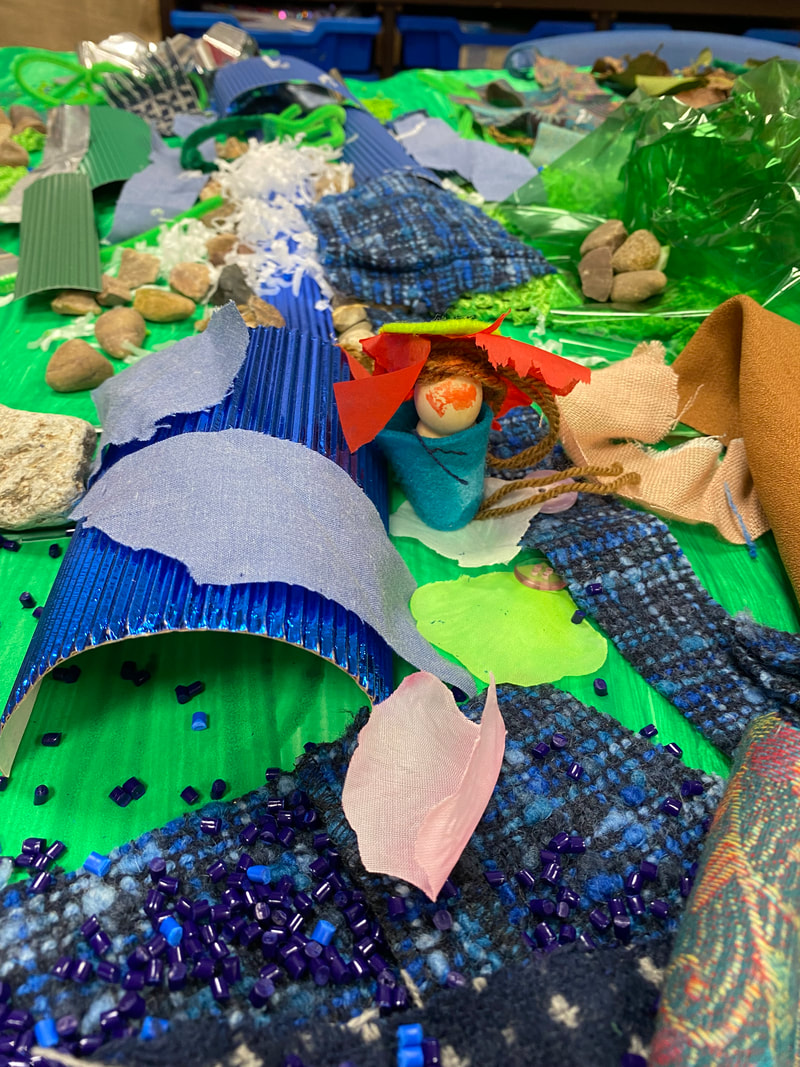
Thanks to Sean o'Gradaigh National University of Ireland (Galway) for this image

Welcome to the UK pages in the project's online 'Tool Kit'.  This section is predominately in ENGLISH but also includes contributions from outside of the partnership in other languages and examples taken from galleries and museums in other countries.
These pages have been developed for use alongside the Modules and to provide additional reading, supporting evidence and materials. We particularly want to emphasise the promotion of creativity and the importance of developing a lifelong appreciation of Art as part of developing the 'whole child'. Several of the examples especially the case studies and interviews will appeal to teachers from any country so please explore all of the country specific pages.  We also hope that teachers will devise their own activities based on one of the project themes or construct new activities, like creating computer generated images, an iBook (eBook), a piece of music/ song/ rap inspired by art or researching other galleries or pieces of art they feel illustrates this theme. 

Please share any activities you devise with one of the project team. If space permits we'll include your activities on the website or link to your school's web pages.
Responses to the modules (plus translations)
​
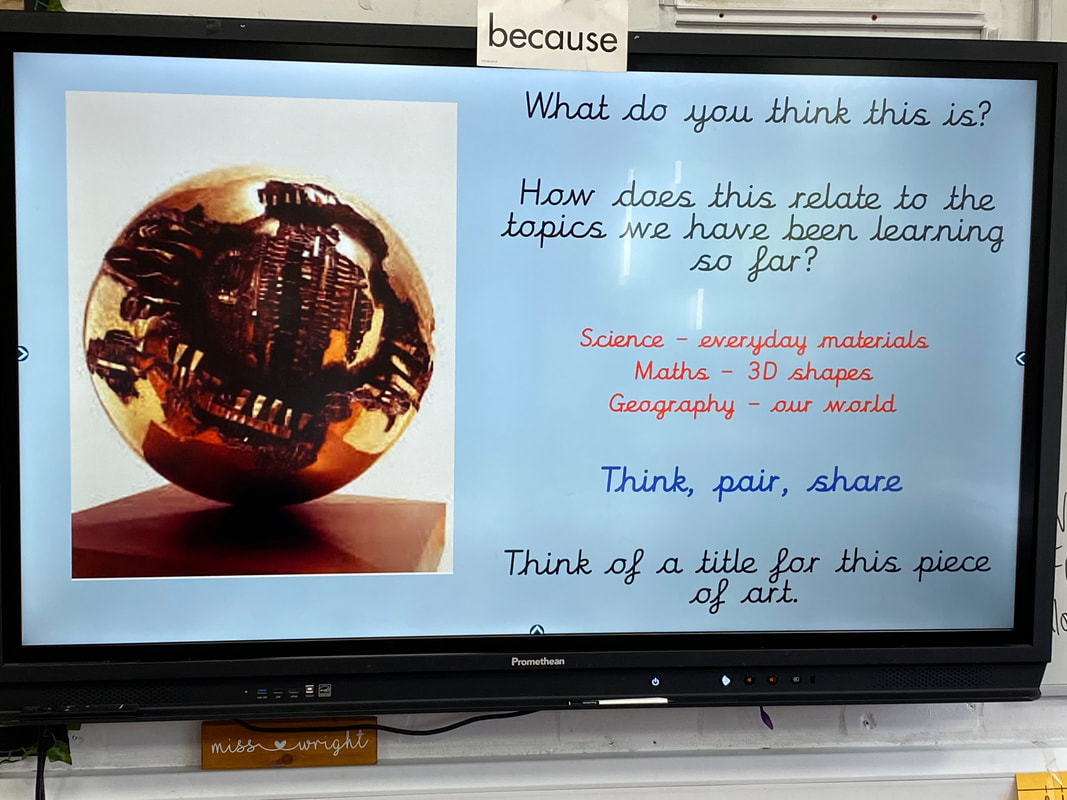
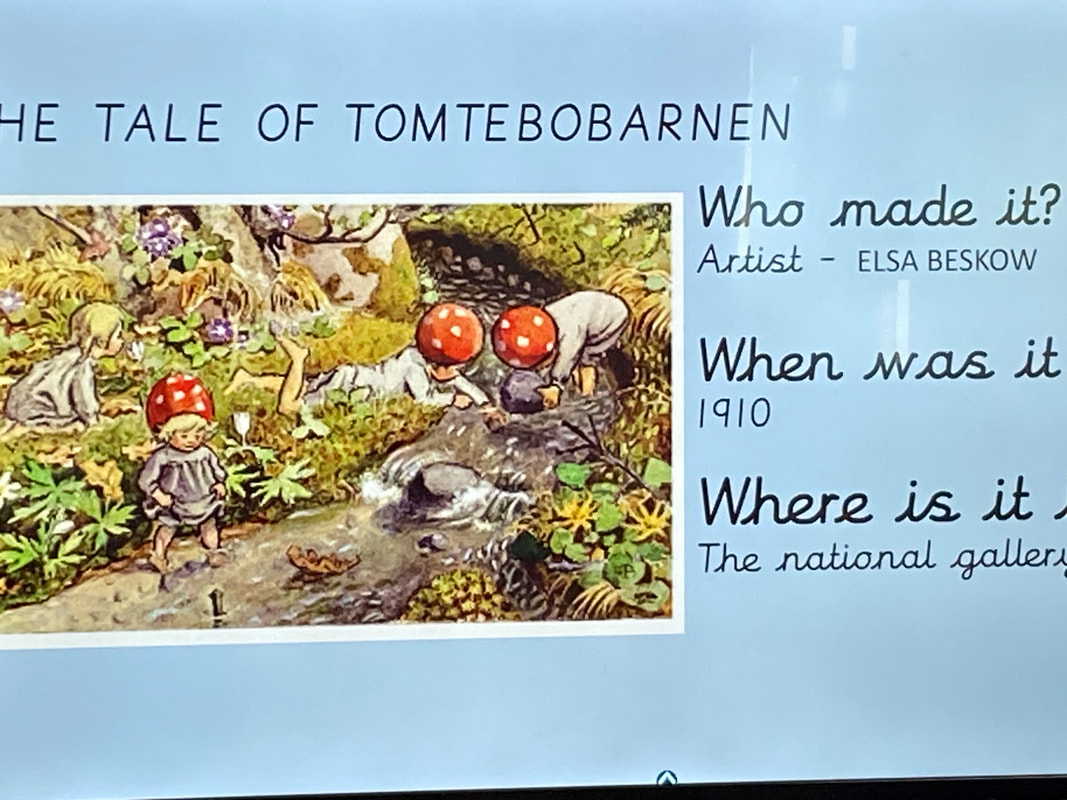
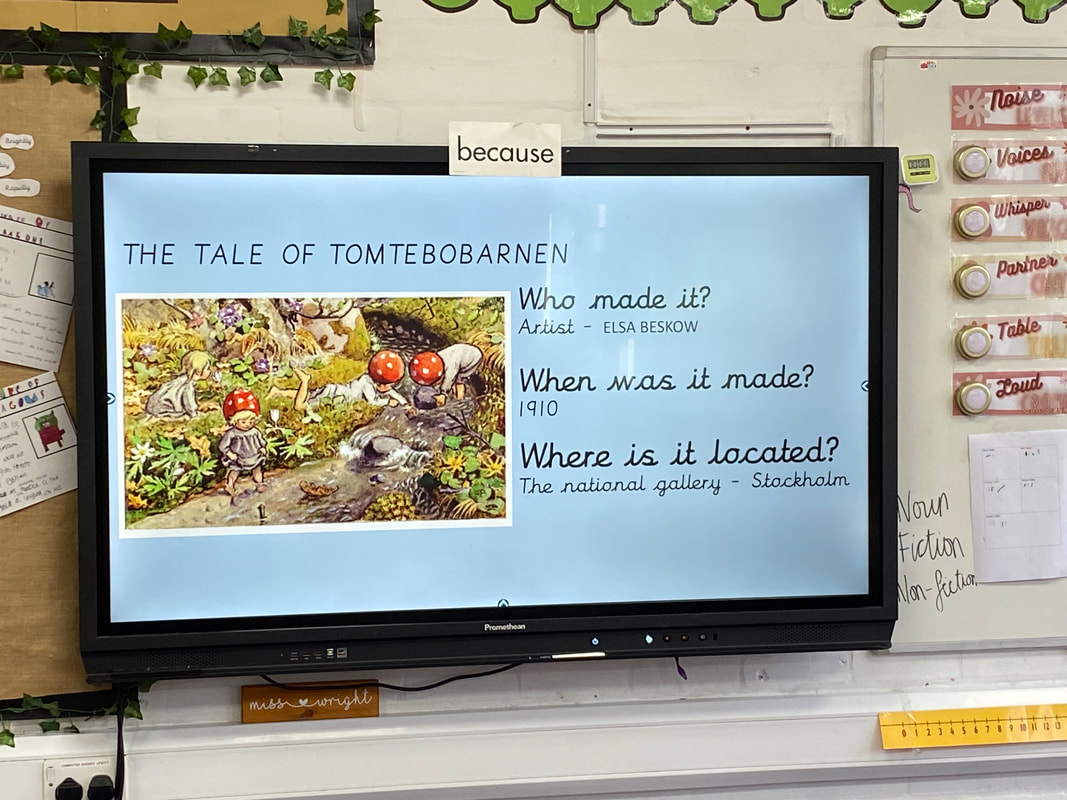
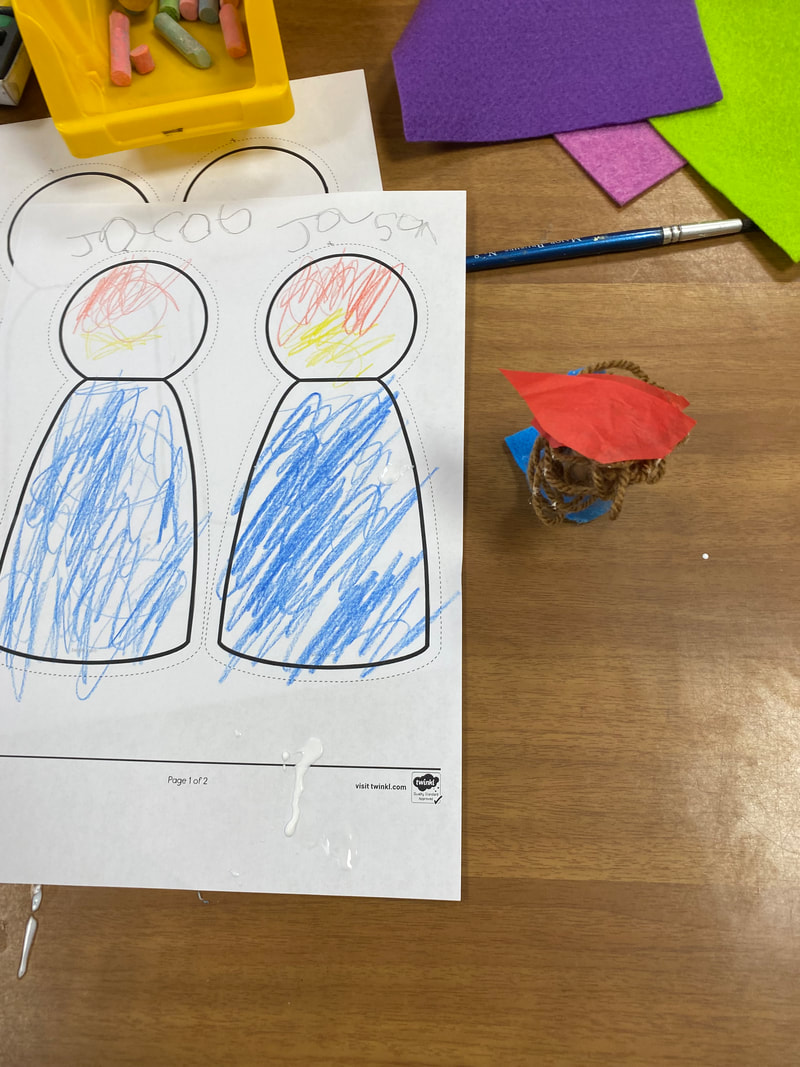
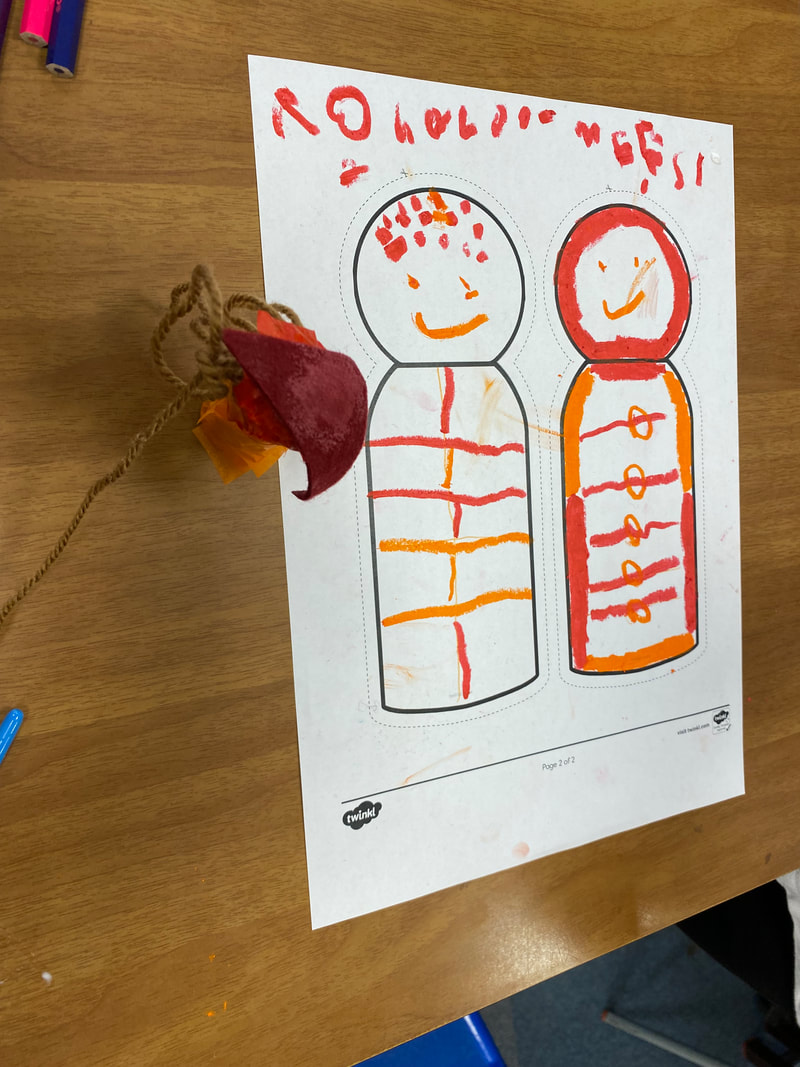
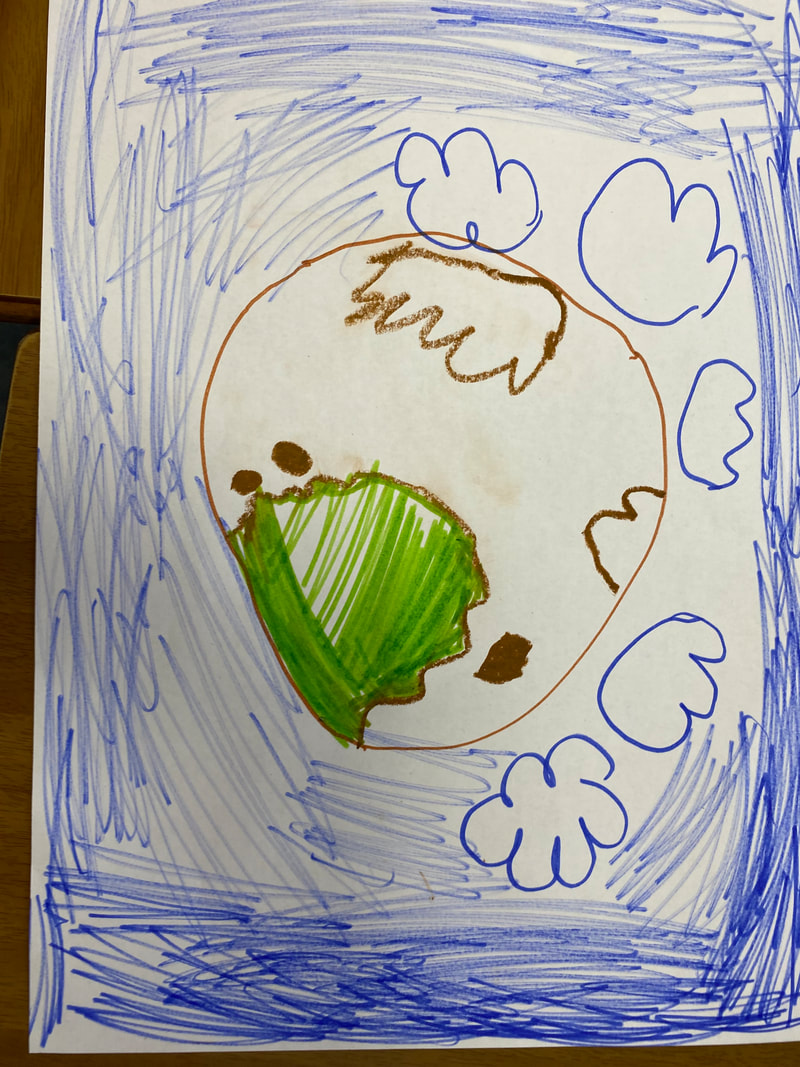
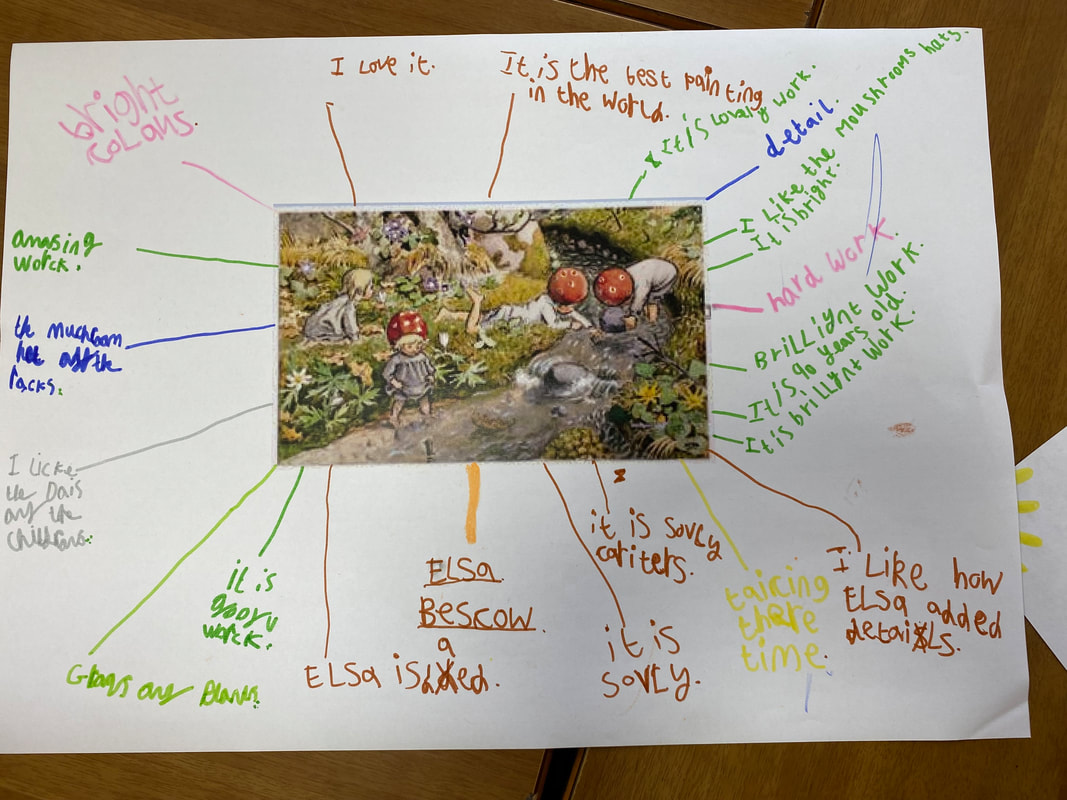
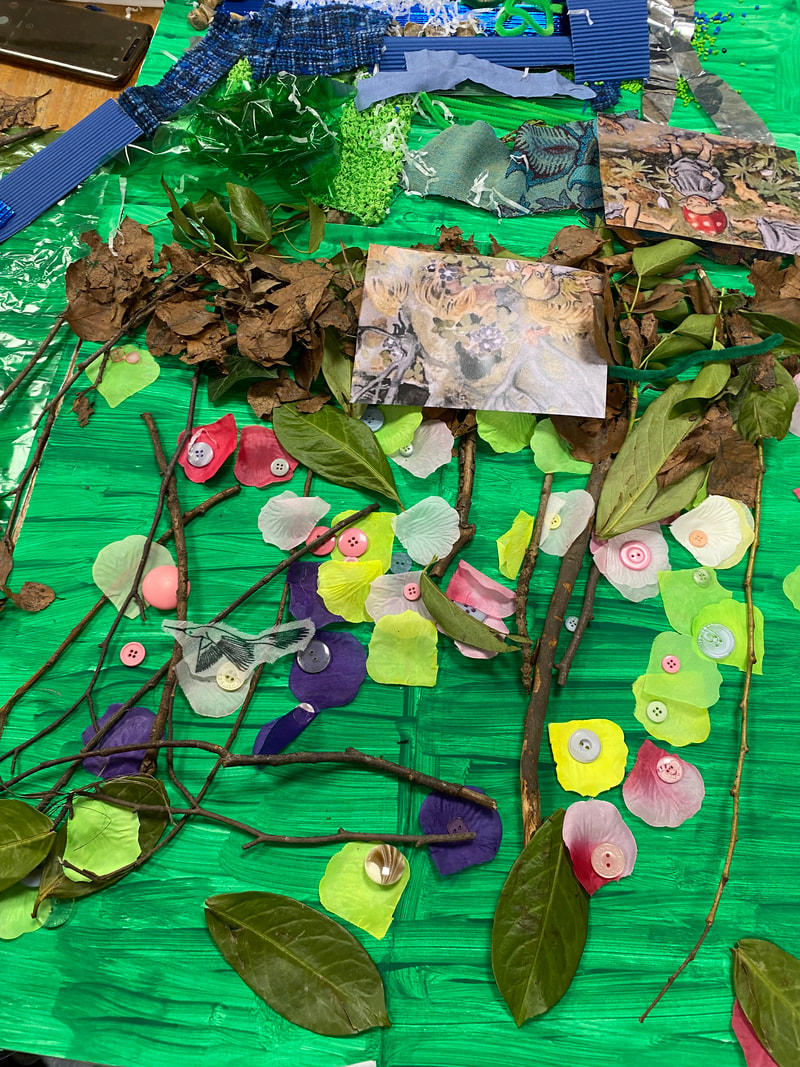
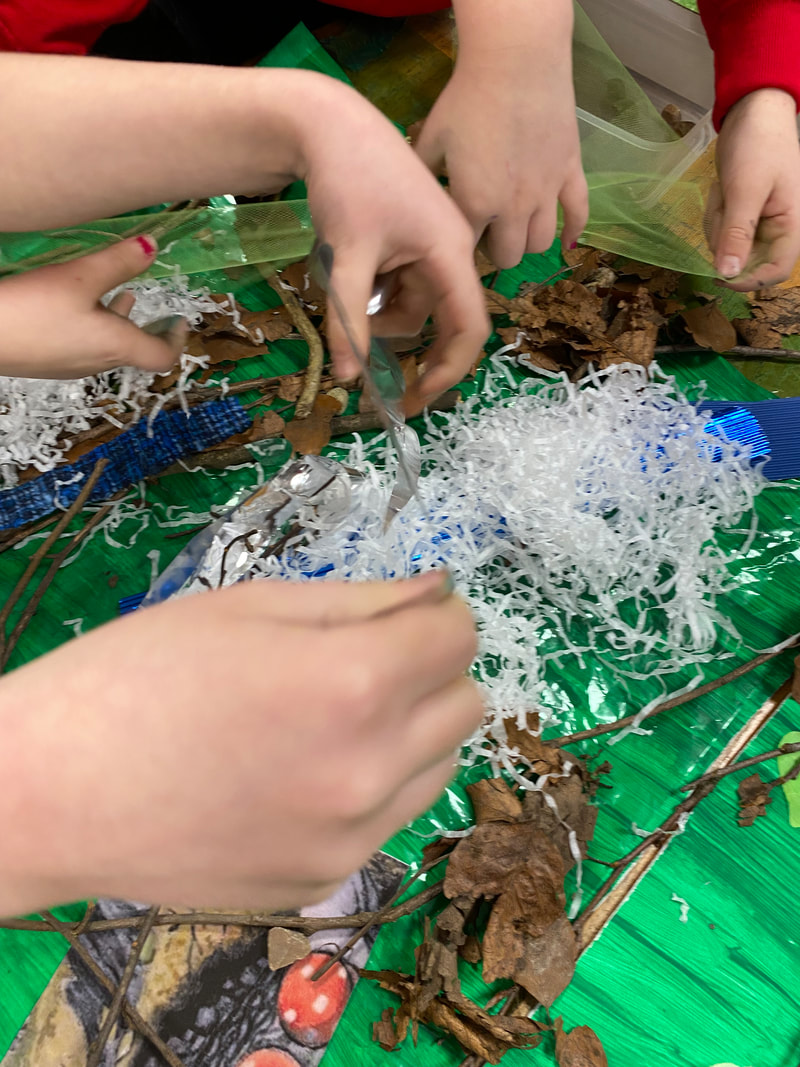
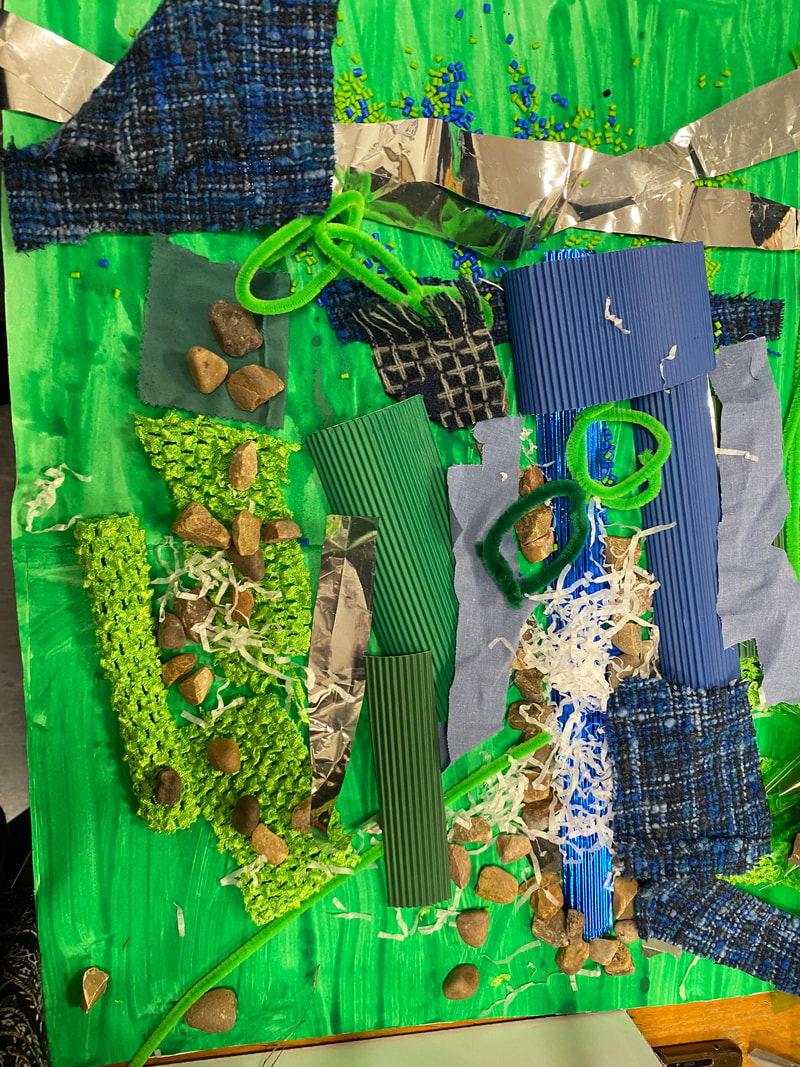
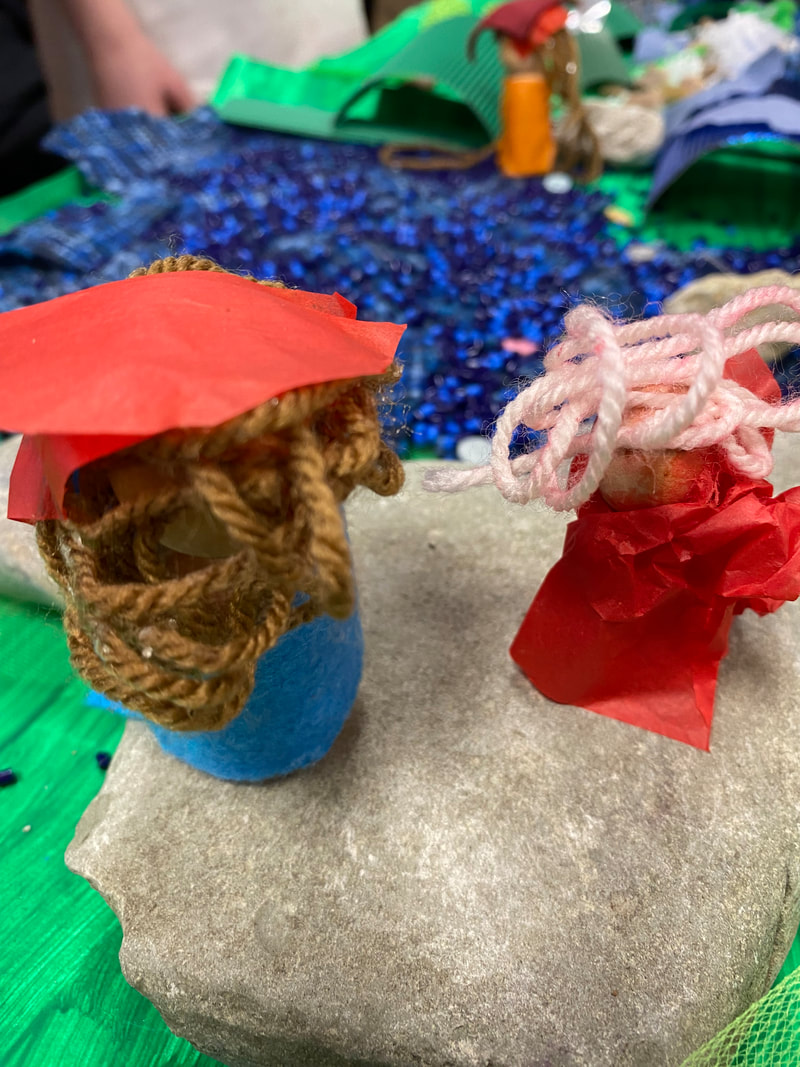
Case Study: A lesson at Penketh Primary School (UK), the gallery below accompanies the download.

Lesson at Penketh Primary School ​
Interviews with Swedish teachers (using the modules in the classroom):


 RemeVasa Museum: Strength and Power:
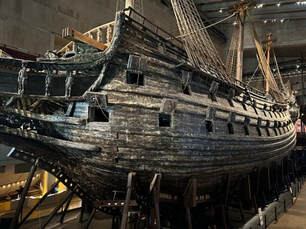
How can a visit to a museum be linked to the modules? The Vasa Museum in Stockholm provides an example. The Vasa was a large warship, the pride of the Swedish navy. She sank on her maiden voyage in 1628 and was salvaged from the seabed and placed in a purpose built museum. The powerpoint shows how this one exhibit can link into our 'Strength and Power' module and stimulate creativity. Remember art and design are all around us!
​Please let us know if you have any similar ideas from your local museum.
Picture

Vasa Museum

Picture
Further Art education reference points 
There is always more to find out about the paintings used in the modules AND 
There are always different paintings that can be used to provoke discussion and work within each theme.  
If you  find some paintings that are really useful do please contact us so that we can add these to the toolkit.

Art Books for Children
There are many art books available specifically for young people. They provide both an insight into the artist and specific paintings. They can be a very useful introduction for younger pupils. On the list provided the books which link to the National Gallery in particular are in bold.         
              

Art UK
Art UK is the online resource for every public art collection in the UK. This charitable organisation has just completed a survey of all oil paintings (200,000+) currently on public exhibition in the UK. It is now turning its attention to public sculptures; there are thought to be more than 13,000 around the UK. 
An interactive map gives access to this national collection:
​Also follow on twitter @artukdotorg

Reference articles linked to project aims 
https://my.chartered.college/impact_article/principles-and-techniques-that-underpin-art-teaching
https://www.tate.org.uk/art/talking-point/why-study-art
https://www.bbc.co.uk/bitesize/guides/z2hp3k7/revision/4     Finding inspiration
https://www.teachingenglish.org.uk/professional-development/teachers/inclusive-practices/articles/art-classroom    Teaching English
https://artuk.org/learn/learning-resources
https://kristalnorton.com/art-journaling-101/
chrome-extension://efaidnbmnnnibpcajpcglclefindmkaj/https://www.boingboing.org.uk/wp-content/uploads/2017/02/arts-for-resilience-practice-guide-for-web.p
https://www.psychologytoday.com/us/blog/arts-and-health/201508/art-is-about-resilience-it-always-has-been

Presentations and related talks:
TED talks/other talks
See dissemination activities for partner presentations
​
Ofsted Research Review of Art and Design: 
Ofsted is the Office for Standards in Education, Children’s Services and Skills. As well as organising school inspections Ofsted also commissions research. This piece of research relates closely to this project. The poster is a good place to begin but it is also possible to download a summary of the research and the full report:
​
Poster

Research Report

Summary


Proudly powered by Weebly
Picture
  • Home
  • Project Partners
    • Global Learning Association (UK)
    • Aristotle University of Thessaloniki (Greece) >
      • APTh resources in Greek
    • CEE AUTO-LEARN (Sweden)
    • Crewative (Italy)
  • About
    • Galleries and links >
      • National Gallery (UK)
      • National Gallery (IT)
      • Nationalmuseum (Sweden)
      • The National Gallery (GR)
  • Toolkit
    • Case studies
    • Contemporary artists
    • The use of pigments in paintings
    • Digital responses to art
    • Toolkit (UK) >
      • What do teachers think?
      • UK Case studies
    • Toolkit (Greece)
    • Toolkit (Italy)
    • Toolkit (Sweden) >
      • Swedish Case studies
    • Extending the project locally
    • Find a partner school
    • Key Action 1 courses
  • Modules
    • 01 Love and Family
    • 02 Strength and Power
    • 03 Nature
    • 04 Work and industry
    • 05 Our World
    • 06 Science and technology
    • 07 Freedom
    • 08 Migrants and Refugees
  • Dissemination activities
    • Multiplier Events
    • Video presentation
  • Online courses
  • Academic outputs